1. Home
  2. »
  3. Portfolio
  4. »
  5. Heat Pump Installation in a Victorian Terrace

Case Study: A 4-bedroom Victorian Terrace in South London

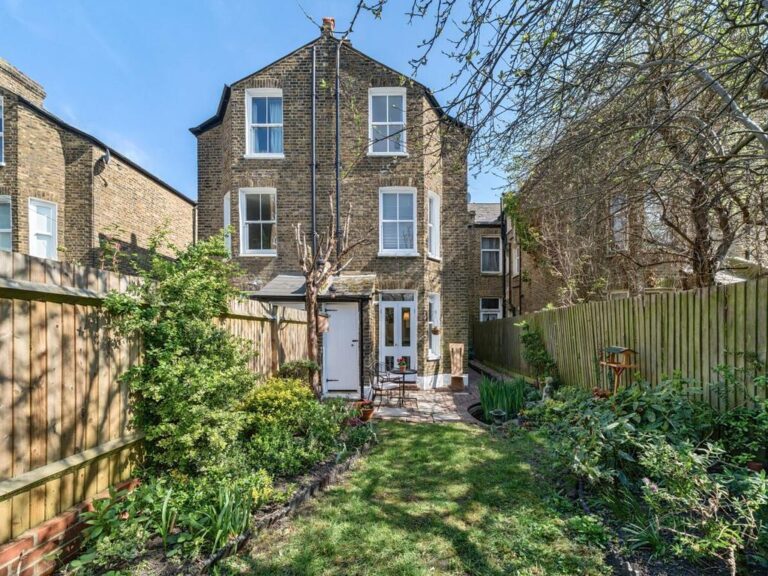
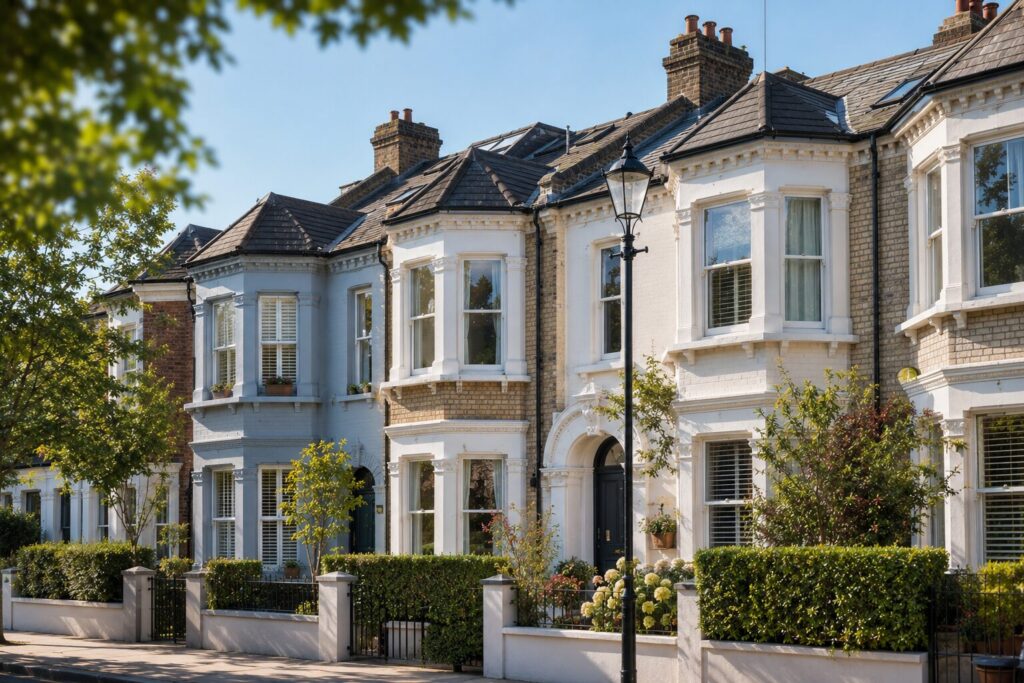
The customer had moved into a beautiful 4-bedroom Victorian terrace in South London. The house still had many of its original features – high ceilings, bay windows, beautiful light in the morning and afternoon, exposed wood floors and some of the original 1860s tiling in the hallway. So we knew we had to be careful to minimise disruption to the house itself and couldn’t just start lifting up floorboards to adjust pipework.

Home Type

Beautiful Victorian terrace with 4 bedrooms

Location

South London

Project Specifics

  • Samsung 12kW air-to-water heat pump
  • Improved shower pressure and flow
  • Replaced 30-year old radiators
  • Future-proofed for Underfloor Heating (UFH)
The Challenge

Replacing a 30-year old heating system

Victorian homes are beautiful, but their plumbing often poses challenges. We identified several key issues:

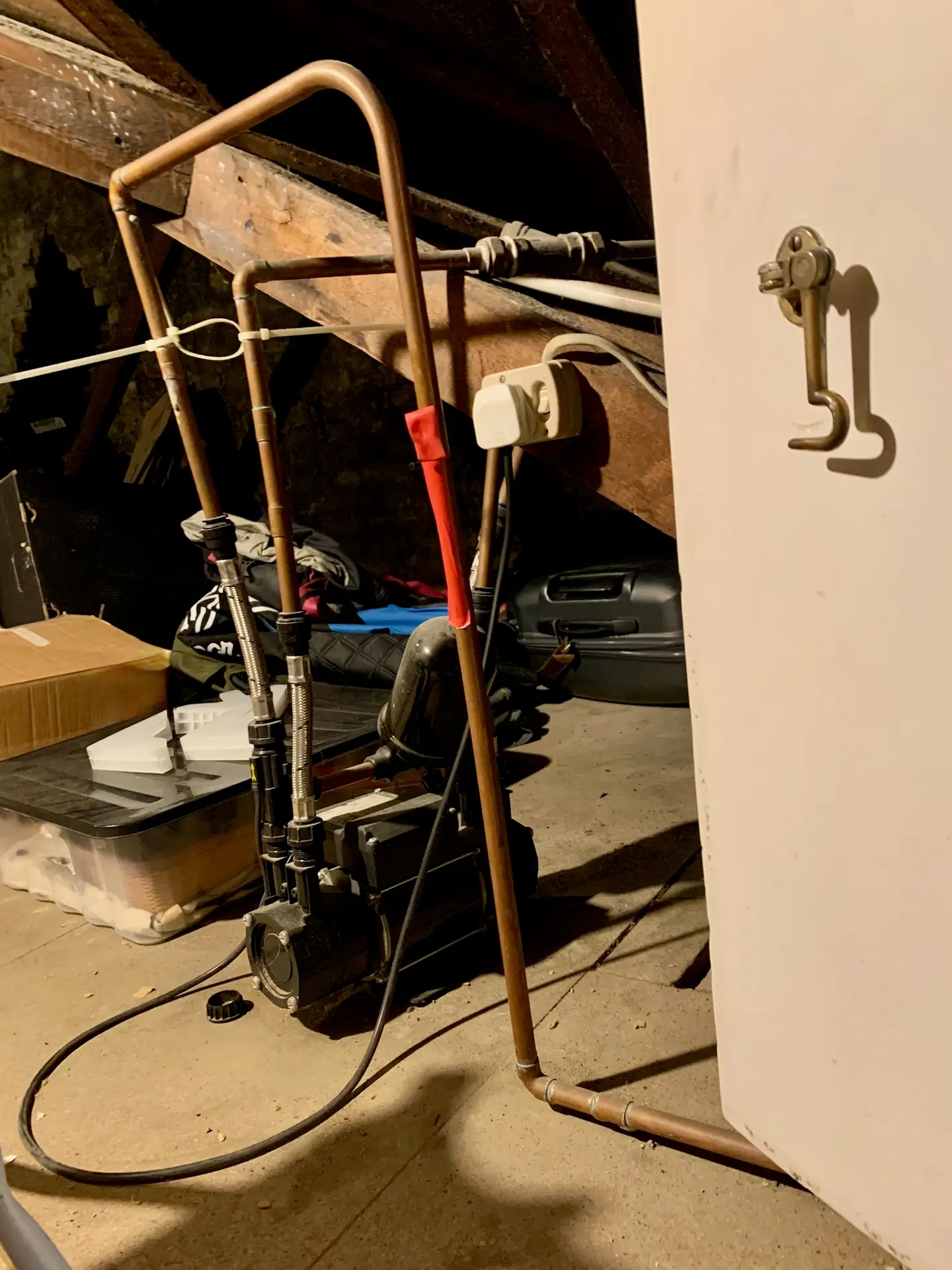
  • Poor Water Pressure: A gravity-fed system (ie. tanks in the loft) resulted in weak showers and required a noisy booster pump.
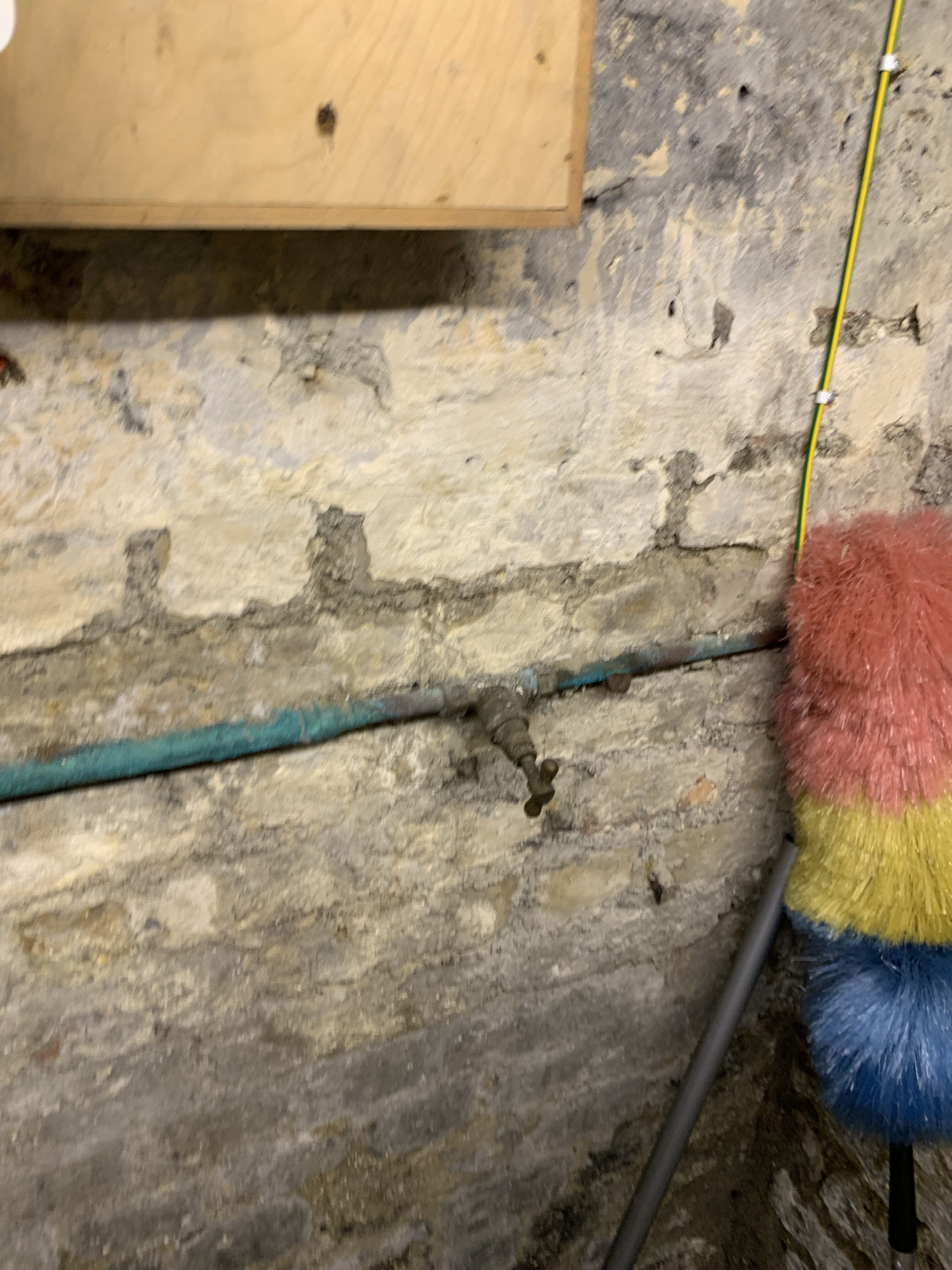
  • Inadequate Mains Supply: A narrow incoming pipework would have made it difficult to run both showers simultaneously, while a seized stopcock would make it impossible to shut off the water in an emergency. 
  • A draughty house: older sash windows, uninsulated and draughty cellars, disused chimneys and doors that didn’t close properly mean that the heat loss was greater than it needed to be.  
  • Period features:  Some original 1860s tiling and exposed polished floorboards meant we could not access all the pipework and had to work carefully to avoid disruption and damage. 
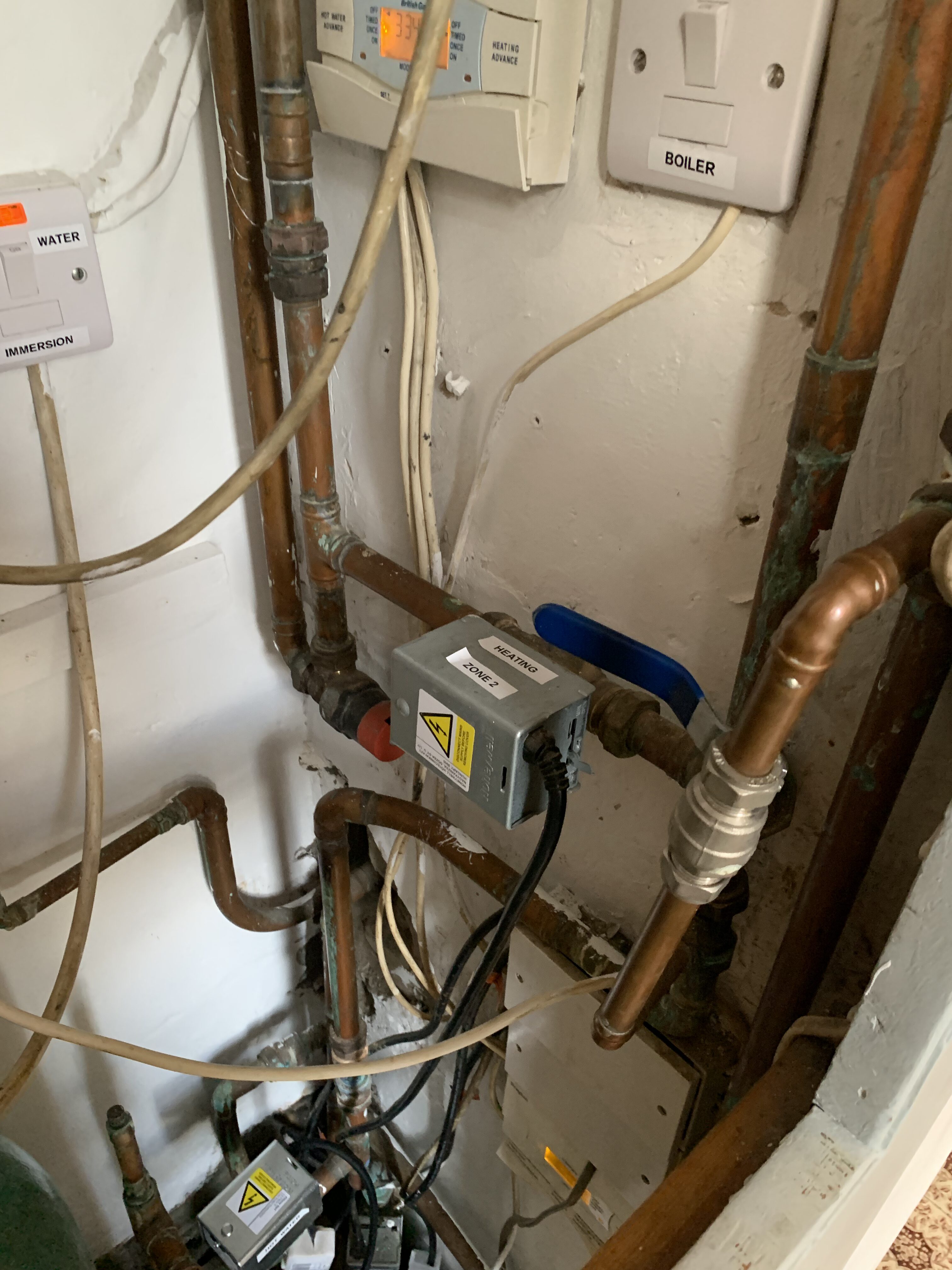
  • A Dying Heating System: An aging gas boiler had stopped communicating with the hot water cylinder, forcing the owner to rely on expensive electric immersion heating.
The Solution

Step 1: Modernising the Plumbing

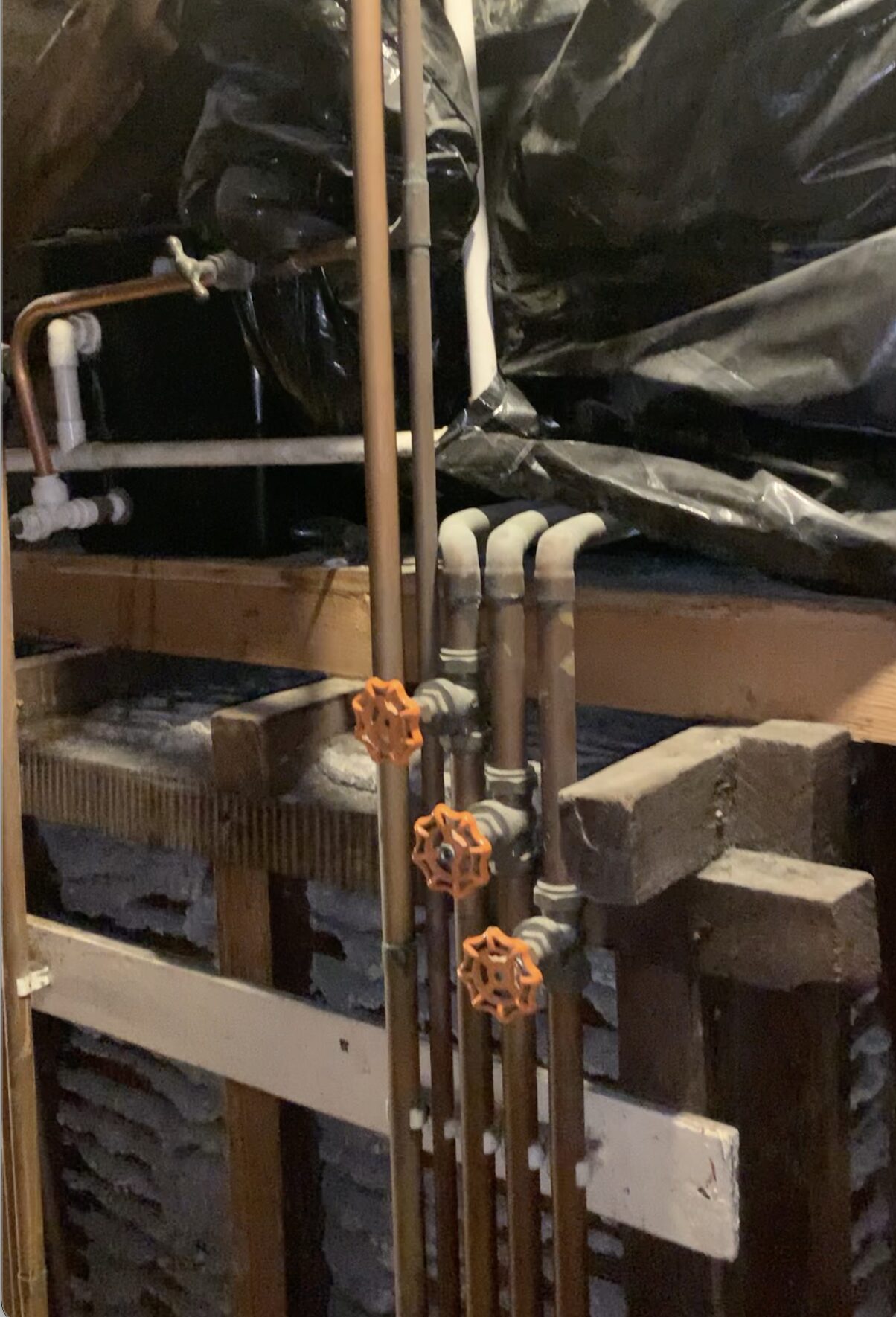
We replaced the undersized mains pipework with a new 25mm MDPE mains pipe, doubling the water volume available to the showers and taps. We also emptied and disconnected the water tank in the loft. We rerouted the pipes so that the whole house was connected to the mains-pressure water supply. Finally we did an air-pressure test before reconnecting the new mains feed to the house. 

Why we Pressure Test: Switching from gravity pressure (<1 bar) to mains pressure (2-4 bar) can stress old joints and sometimes cause leaks. Before we reconnect your pipework to the water mains, we always do a thorough test with compressed air. If there are any weak joints, we can identify and fix them without risking any water damage.

Step 2: Reclaiming kitchen space by removing the old boiler and cylinder

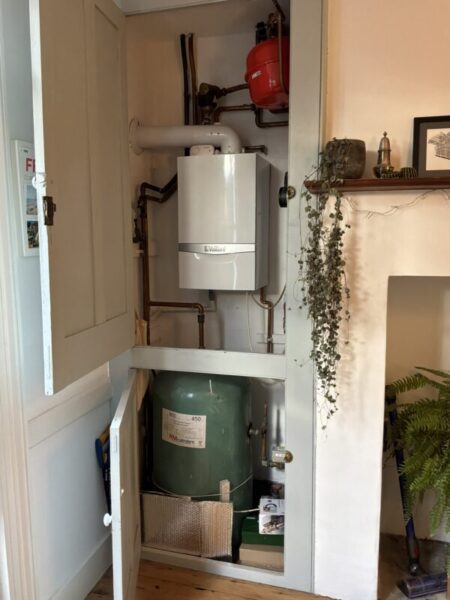
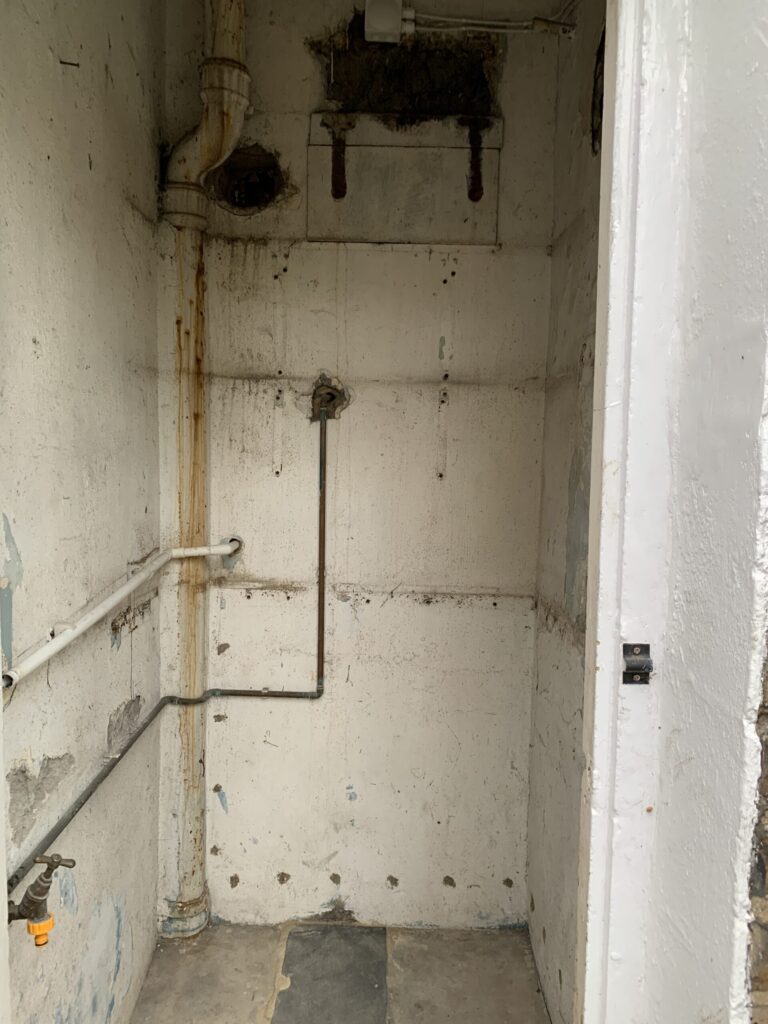
The homeowner was planning to renovate the kitchen, so we removed the existing boiler and cylinder to free up an entire floor-to-ceiling cupboard. The new cylinder and other components would go in an outbuilding that originally served as the outdoor loo for the property, freeing up space inside the building.

With the old gas boiler removed, a Gas Safe engineer capped off the existing gas line to the boiler, whilst leaving the kitchen hob connected. (The upcoming kitchen renovation is an opportunity to switch to an induction hob and get off gas completely.)

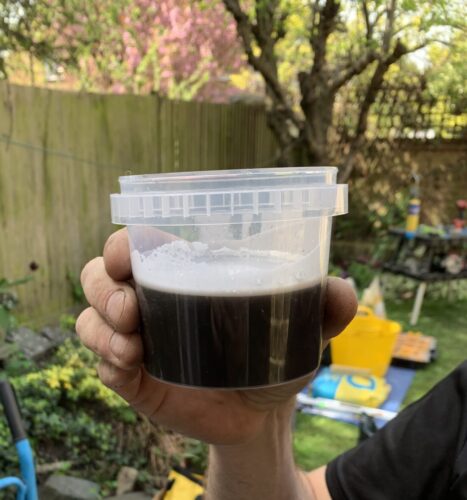
It's not Guinness - it's the water from 30-year old radiators!

Step 3: Cleaning the old pipework and radiators

Old radiators get filled up with decades of corrosion and black sludge. We used a specalist “powerflush” machine to clean any radiators that were being kept and clean out the existing pipework. In this case, years of corrosion was obvious as the water flushed from the radiator was black with sludge so thick that even a torch couldn’t shine through it! We use high pressure water and cleaning chemicals to clean the radiators until this water runs clear, ready for a new life with your heat pump. 

Make sure your heat pump installers plans to powerflush your system: This is a required step to keep your heat pump warranty, and one that some larger heat pump installers often skip to save time.

Step 4: Fitting the heat pump

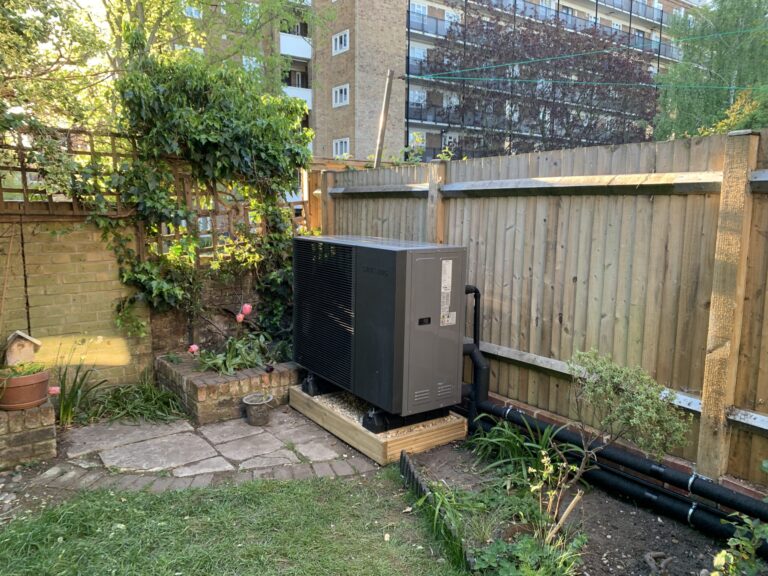
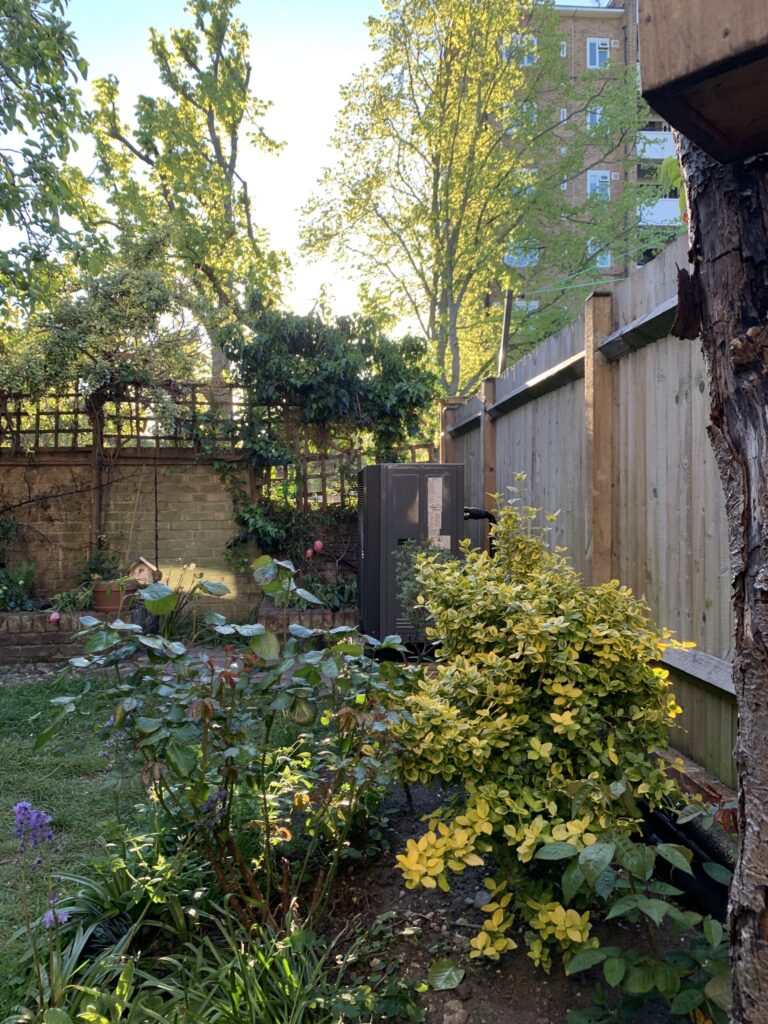
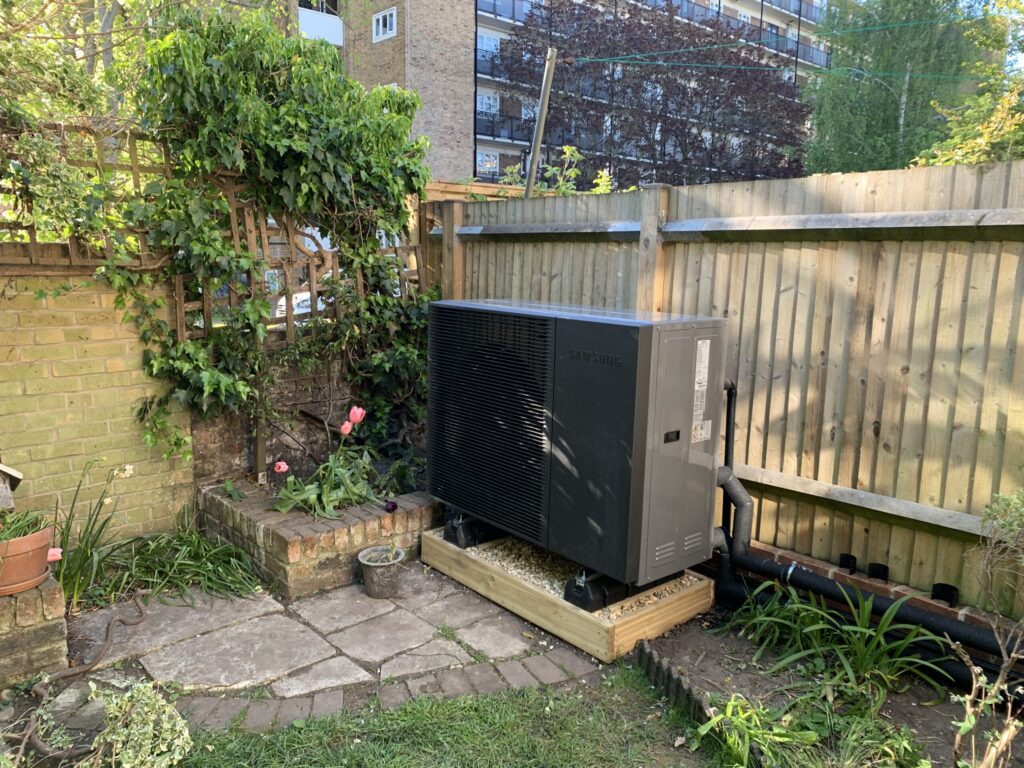
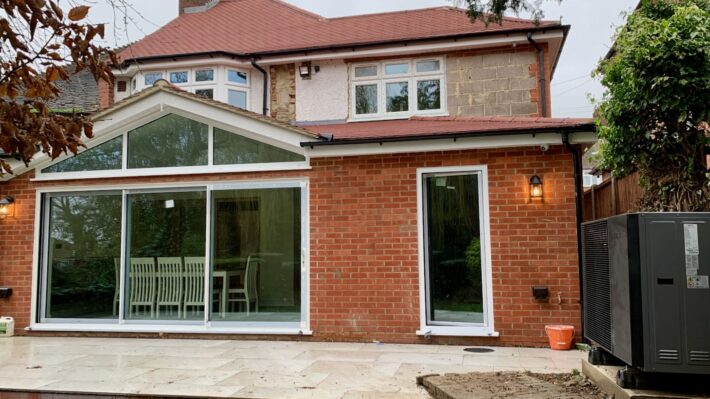
We placed the heat pump at the back end of the garden. We carefully measured up to meet government regulations on how close a heat pump can be to your neighbour’s bedroom or living room windows, to ensure no neighbours would be disturbed by the heat pump. (Heat pumps are much quieter than people think!)

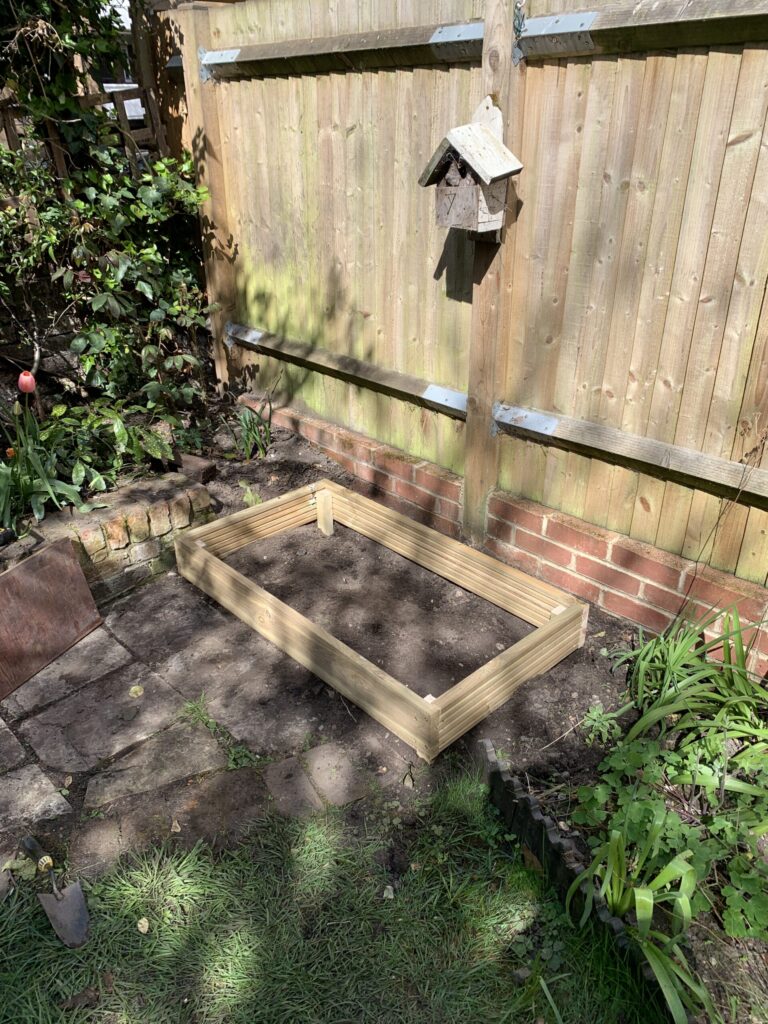
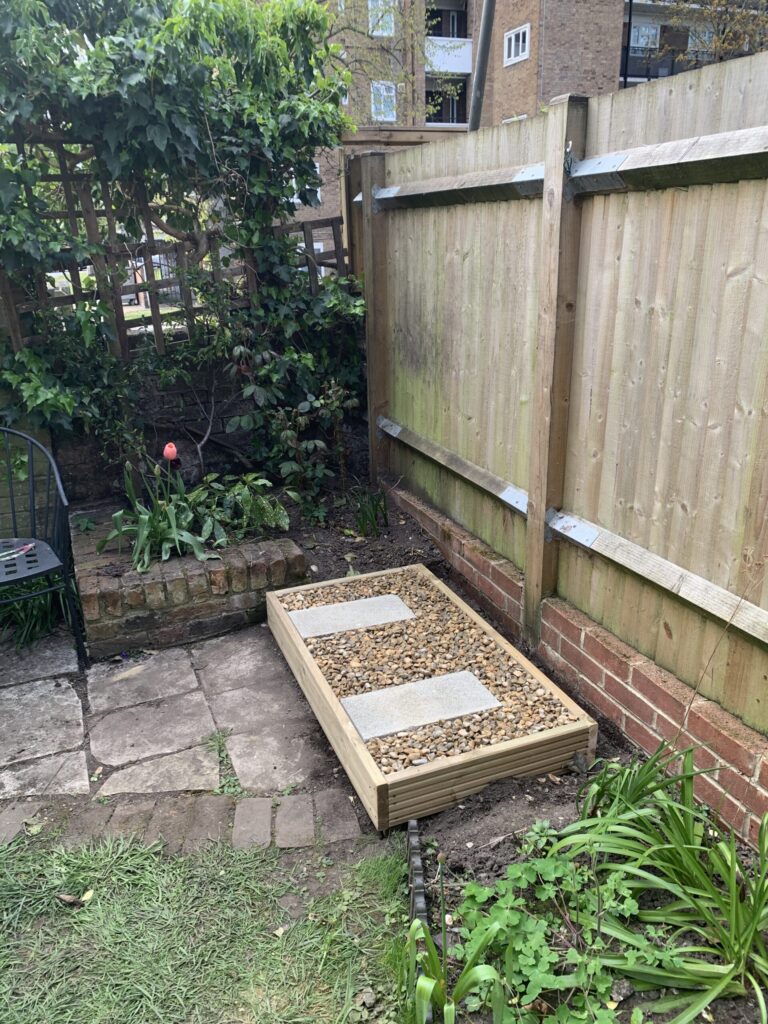
We built a simple base with concrete feet and gravel, with a treated wood decking surround. This allows any condensation that builds up on the heat pump evaporator to soak away into the ground. (Unlike boiler condensate, the condensate is just water vapour from the air and will not harm plants or the soil.)

The “primary” pipes running from the heat pump to the cylinder were mounted to the homeowner’s garden wall, ensuring that they’ll be supported and stable for years. The black UV-resistant insulation is essential to limit heat loss. Although we had to cut some plants back to fit the pipes, they’ll grow back quickly and make the pipes essentially invisible.

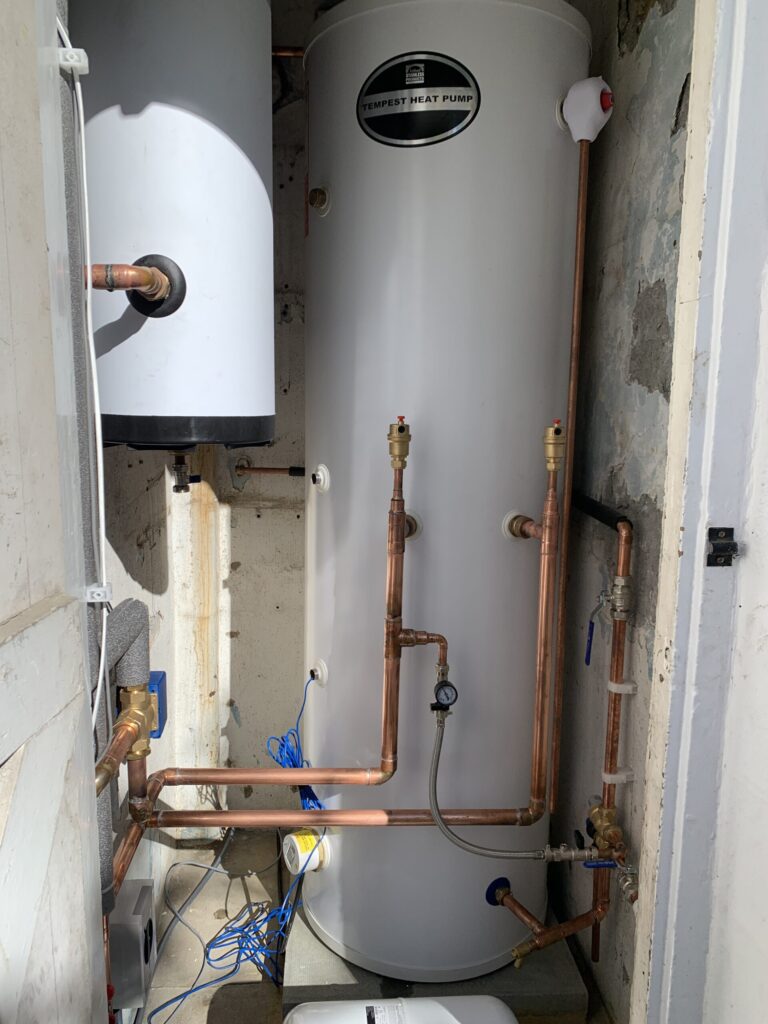
Step 5: Fitting the hot water cylinder

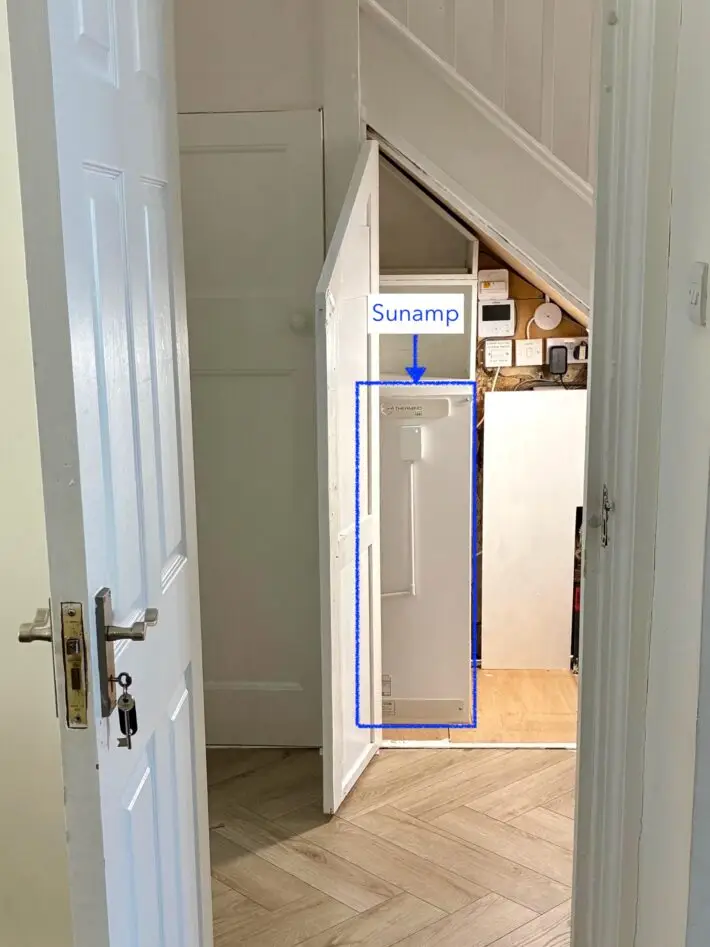
Heat pumps can’t heat water as fast as a gas boiler can, so we use a hot water cylinder (or space-saving Sunamp) to store hot water until it’s needed. 

We fitted the cylinder in the connected outbuilding that originally served as the home’s outdoor loo, leaving the kitchen cupboard that originally held the gas boiler and old cylinder entirely free for the owner to fit shelves and storage.

Step 6: Fitting new radiators

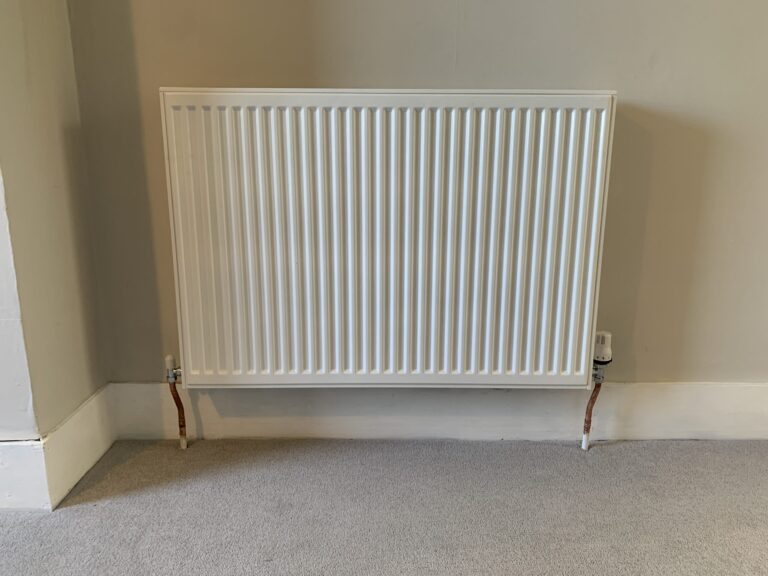
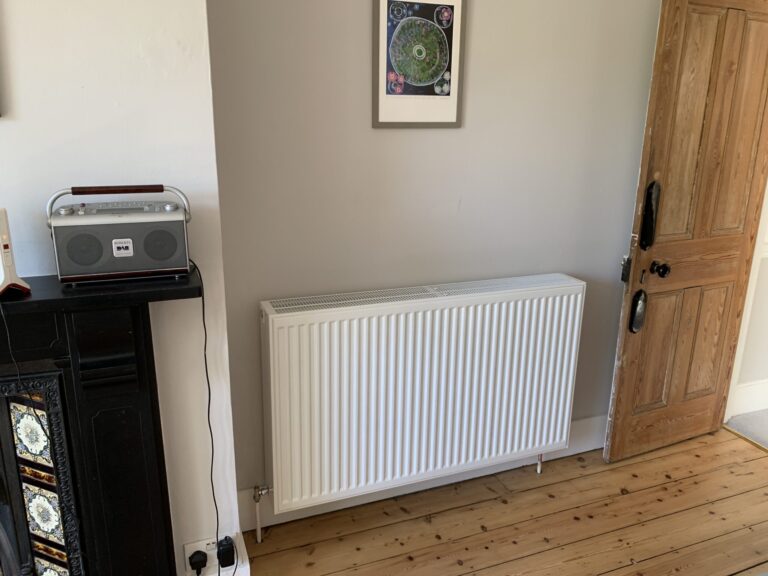
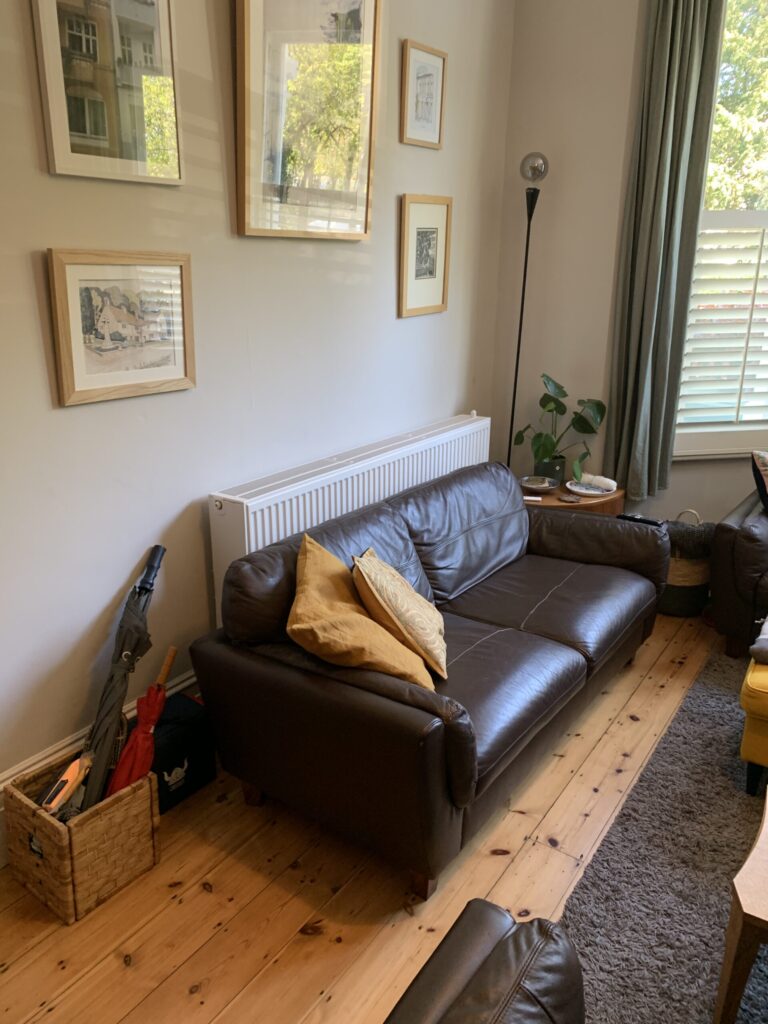
Now it was time to refit 11 new radiators with modern, more efficient radiators that would allow the heat pump to run at a lower temperature (and therefore more efficiently). 

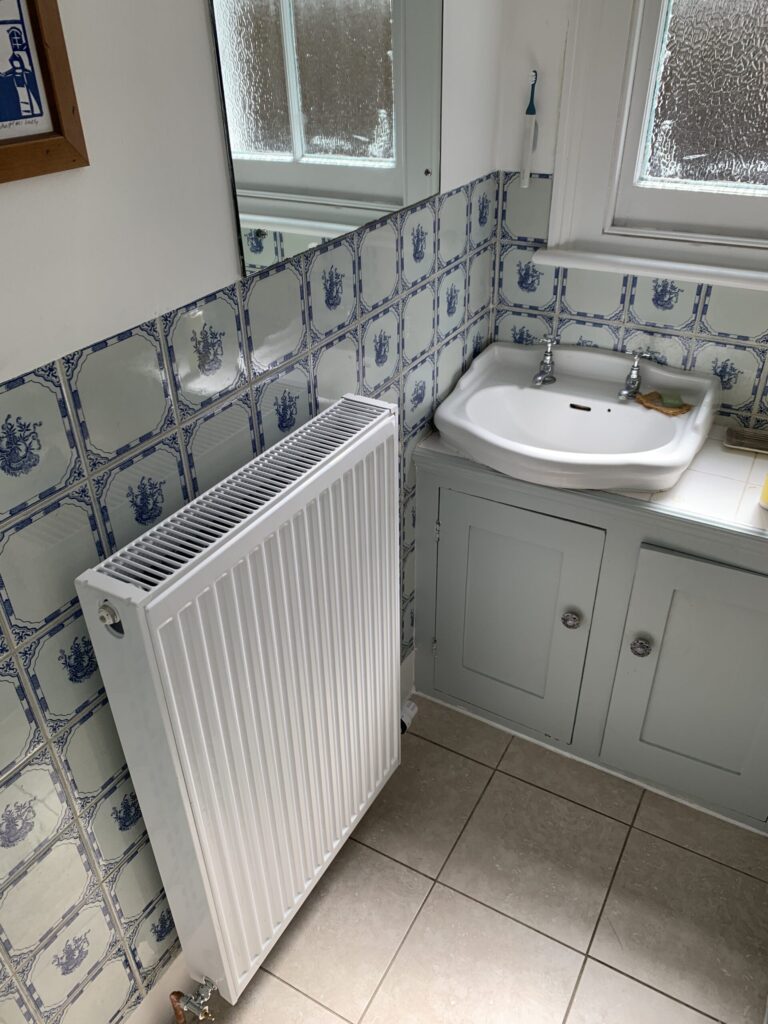
Each room got a radiator that was the right size to heat the room during the coldest days of the year. We chose shallower radiators in the hall to avoid making the corridor narrower, and fitted larger radiators in the bathroom and shower room for the best comfort.

In this property we had to adjust radiator pipes above the flooring, to avoid ripping up floorboards or damage the original 1860s tiles in the hallway (and newer tiles in the bathrooms). 

After the Installation

To fully optimise a heat pump, you really need to live in the house through some hot and cold days to see how comfortable you are. 

As the weather was warming up just when we completed the installation, we couldn’t fully test the settings in cold weather conditions. So as soon as it gets colder (around September) we’ll be back in touch with the residents to see whether the house feels too cold or too hot on a given day, and make further adjustments to the settings until it’s just right.

Ongoing support – why we’re different: Our work doesn’t stop the day we leave your home. We’ll be in contact over the next few days and weeks to check how it’s going and answer any questions you have. We’ll also set up a WhatsApp group with you, our lead installer and our lead designer so that any questions or issues can be dealt with quickly. If we install in Spring or Summer, we’ll also get in touch when the temperature drops in Autumn and see if we can further optimise your heat pump. 

Ready to start the switch?

Want to discuss it first? Give us a call on 02080 50 40 30.